

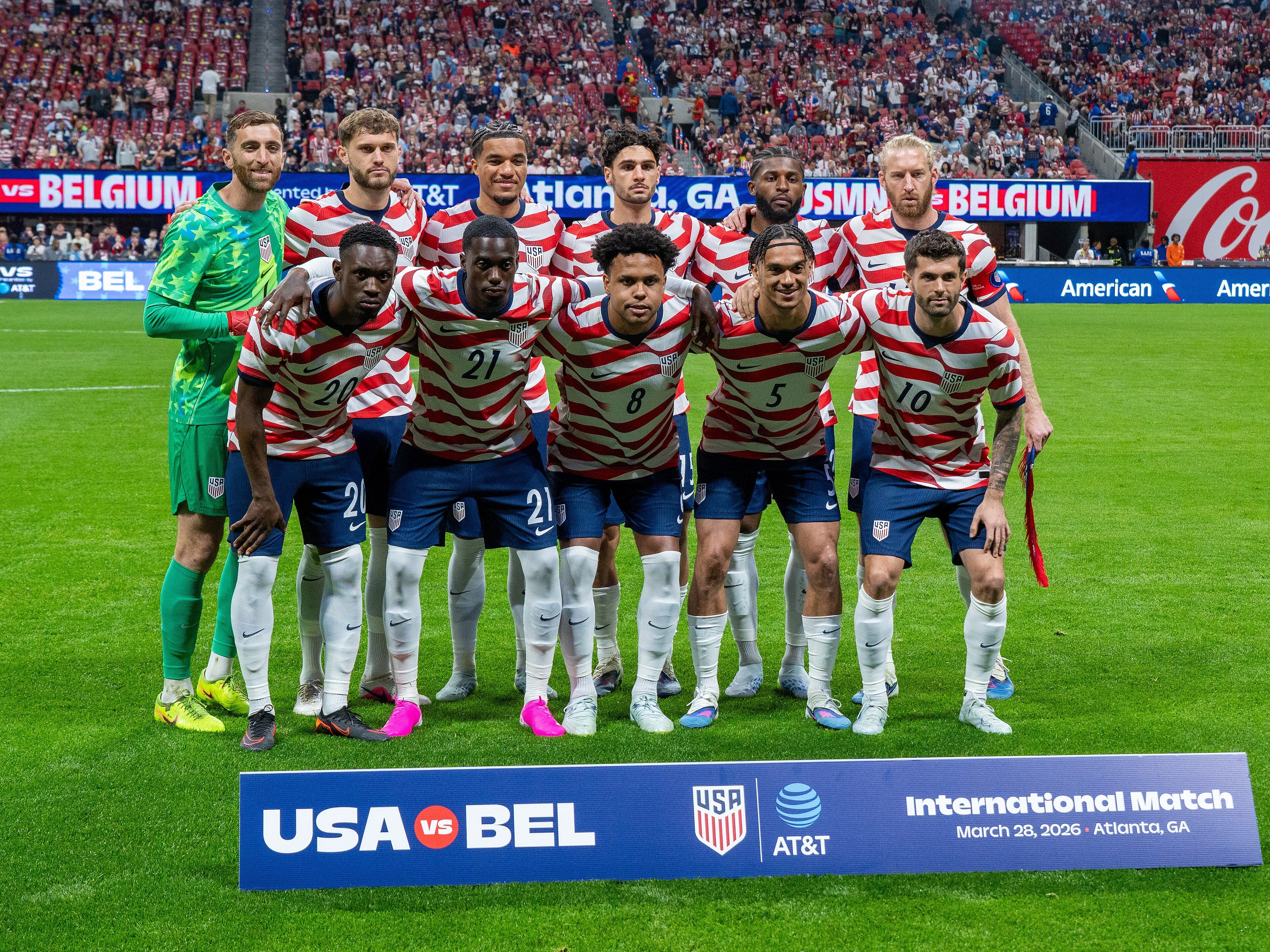
Photo by Bryan Berlin via Wikimedia Commons (CC BY-SA 4.0).
The United States men’s national team enters interesting territory Wednesday night. For the first time in a modern World Cup knockout match, the Americans are not the underdog.
That’s unfamiliar for a program that has spent most of its World Cup history trying to ruin someone else’s party. They are the host nation, the group winner and the team expected to advance.
Standing in their way is Bosnia and Herzegovina, making their first appearance in the knockout stage and playing with little media pressure.
Here are four things to watch as the teams meet in Santa Clara with a place in the round of 16 on the line.
How the U.S. handles possession
Bosnia has spent much of the tournament defending in a compact shape and looking to create chances through direct, long balls into the box. That could force the U.S. into long periods of possession.
The Americans have looked dangerous throughout the tournament when attacking open space. Today’s challenge will require something different.
The U.S. will rely heavily on outside backs Antonee Robinson and Sergiño Dest to provide width and stretch Bosnia’s defensive shape. The movement of players such as Weston McKennie and Malik Tillman between the lines could become important if the midfield becomes crowded.
The temptation in knockout matches is to force difficult passes or settle for hopeful crosses. The United States will need to move the ball quickly enough to create openings while staying disciplined defensively if possession is lost.
If the game is played primarily in Bosnia’s half, the U.S. should feel comfortable with the situation rather than rushed by it.
Christian Pulisic's impact
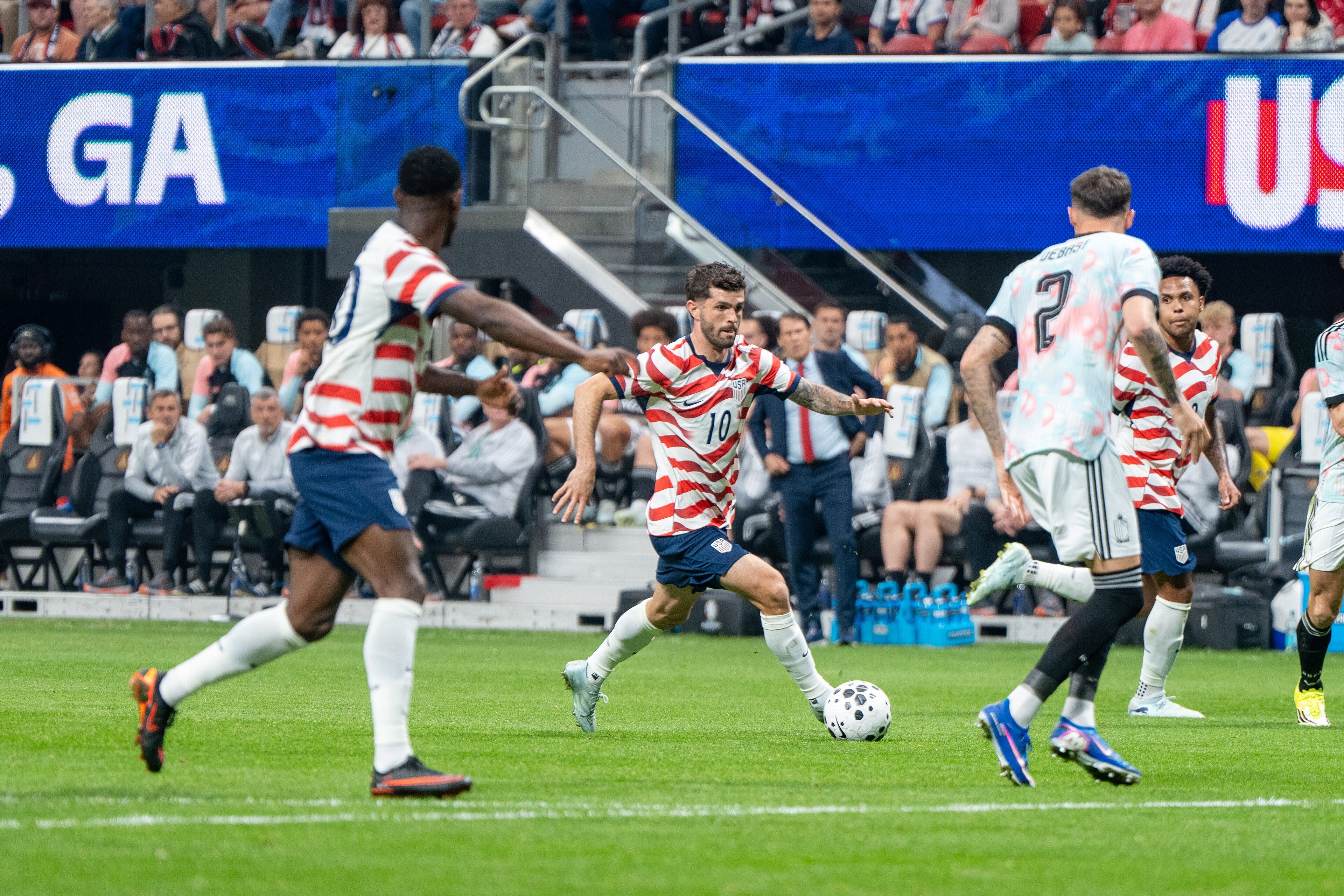
Photo by Bryan Berlin via Wikimedia Commons (CC BY-SA 4.0).
Christian Pulisic looks likely to return to the starting lineup after dealing with a calf issue earlier in the tournament. That could change the entire strategy of the American attack.
Pulisic remains the player most capable of creating chances on his own, whether through dribbling in wide areas, drawing defenders out of position or creating shooting opportunities from difficult angles.
Bosnia will make slowing him down a priority. That attention could create opportunities elsewhere.
The U.S. does not necessarily need Pulisic to dominate the match statistically. It needs him to force Bosnia into decisions it usually wouldn’t have to make. In knockout soccer, a single moment often changes everything. Few American players are better equipped to create one.
Bosnia's veteran experience
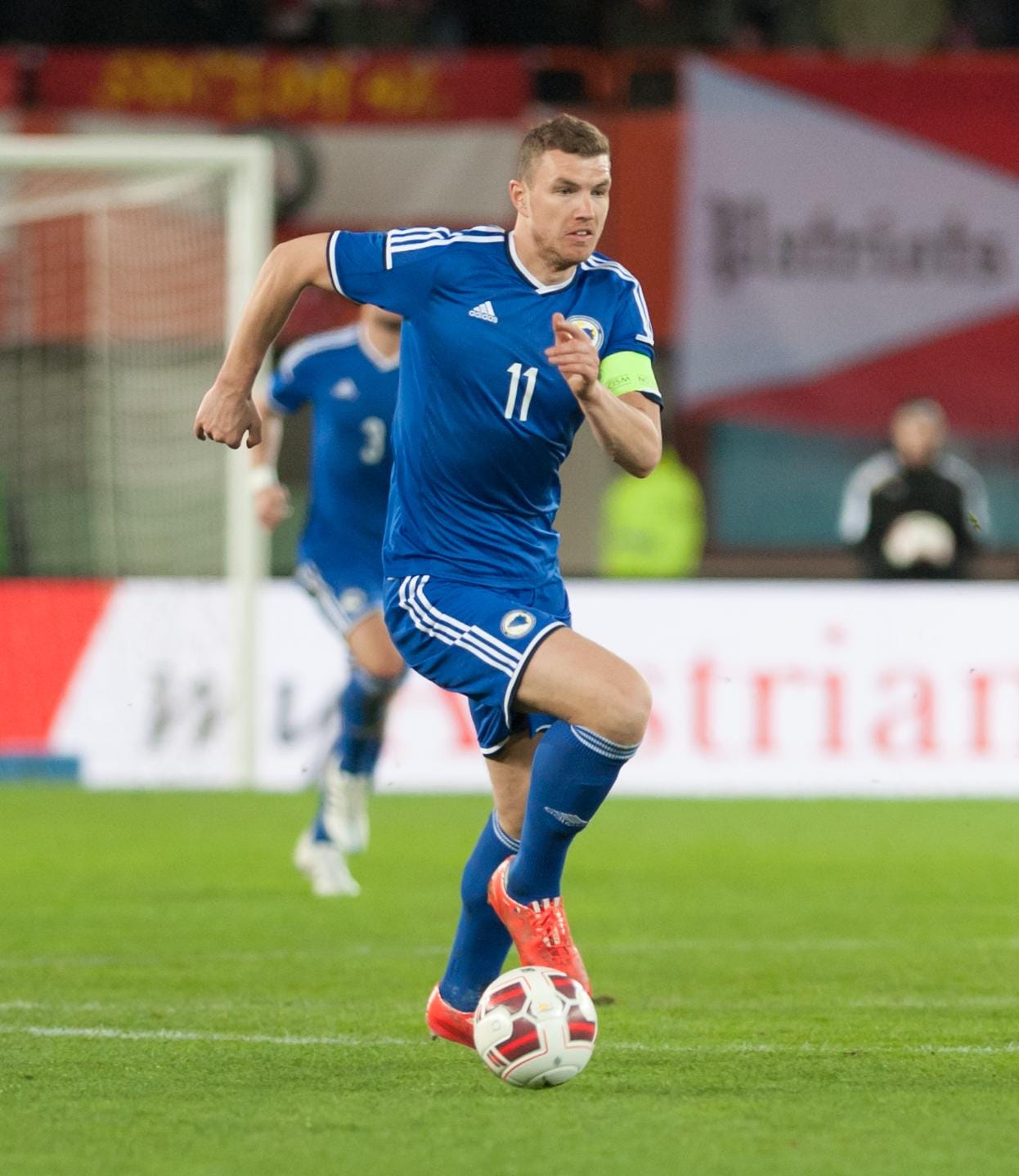
Photo: Ailura/Wikimedia Commons (CC BY-SA 3.0 AT)
The United States may have more overall depth, but Bosnia enters the match with a veteran core capable of making life uncomfortable for the Americans.
That begins with striker Edin Džeko. The former Manchester City and Roma remains one of the game’s most intelligent center-forwards. He can hold possession, win aerial duels and create open lanes for others. Making him dangerous even when touches are low.
The United States has dealt with defensive injury concerns throughout the tournament, and Bosnia will test them physically through crosses and set pieces.
Bosnia does not need possession to create chances. One well-delivered free kick or one defensive mistake inside the penalty area could change the game entirely. The U.S. will want to avoid turning the match into a physical contest.
Bosnia would likely welcome a match decided by moments of chaos rather than American possession.
Can the U.S. handle being favorites?
For Bosnia and Herzegovina, a victory would represent the biggest result in the country’s history.
The nation’s only previous World Cup appearance came in 2014, when it failed to advance from the group stage. Reaching the knockout rounds in 2026 already meant progress. Eliminating the host nation would bring this squad into national history.
The stakes are different for the United States. The United States has not reached a World Cup quarterfinal since defeating Mexico in the round of 16 in 2002.
Since then, the program has produced talented squads and memorable moments but has struggled to take the next step on the global stage. This generation has openly talked about changing expectations for American soccer.
Winning a knockout match at home would represent meaningful progress. For a team playing in front of home crowds and carrying higher expectations than previous American squads, handling that pressure will be just as important as any tactical change.
