

Photo: Bryan Berlin/Wikimedia Commons (CC BY-SA 4.0)
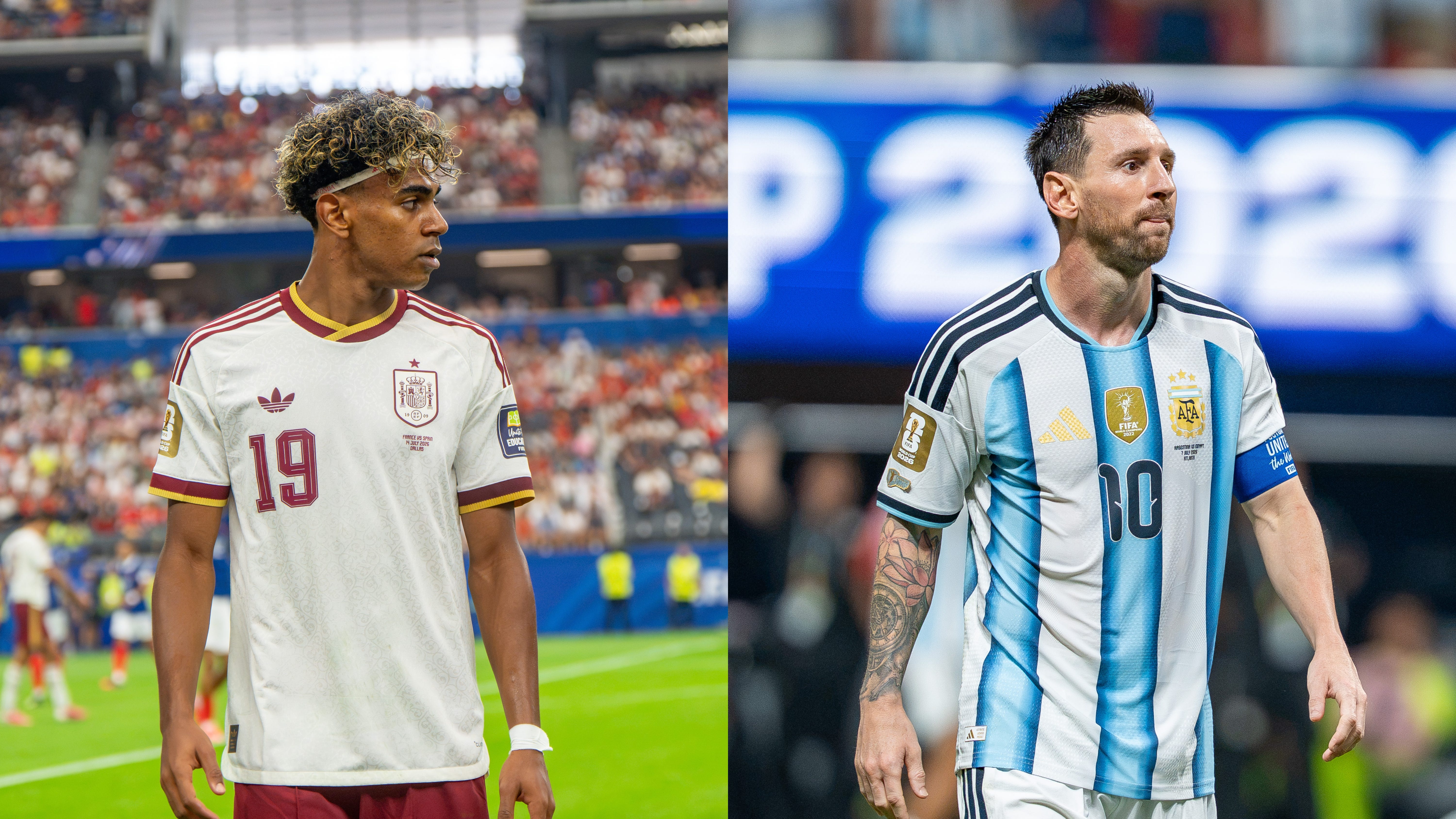
For nearly a month, Spain and Argentina have answered completely different questions.
Spain has spent this World Cup showing it can control almost every match it plays. Argentina has spent it proving it doesn’t always have to.
One team arrives in the final having conceded just one goal in seven matches. The other has scored a tournament-high 19 goals. Spain has looked like the tournament’s most complete side from the very beginning. Argentina repeatedly fell behind in knockout matches before discovering another way to win them anyway.
Now those two paths finally cross.
Here are four things to watch as the World Cup is decided.
Can Spain stop the game from becoming transitional?
If there has been one consistent theme throughout Spain’s tournament, it has been control. Not only possession, but control.
Against France in the semifinal, Spain didn’t allow the match to become the kind of open game Kylian Mbappé, Ousmane Dembélé and Michael Olise wanted. Rodri protected the middle, the defensive line stayed compact and France spent most of the afternoon waiting for transition opportunities that almost never came.
Argentina present a similar challenge, but in a different way.
Lionel Messi doesn’t need many touches to change a match. Julián Álvarez is constantly looking to run beyond the back line, while Rodrigo De Paul and Enzo Fernández waste no time turning recoveries into attacks. Sometimes they need one pass.
That makes Spain’s defense just as important as its attack.
Luis de la Fuente’s side will have more of the ball. The question is whether they can keep enough structure behind it. Spain want every Argentine attack to begin against an organized defense. Open space would give Messi and Álvarez the disorder they need before Spain can recover.
Can Argentina make Rodri uncomfortable?
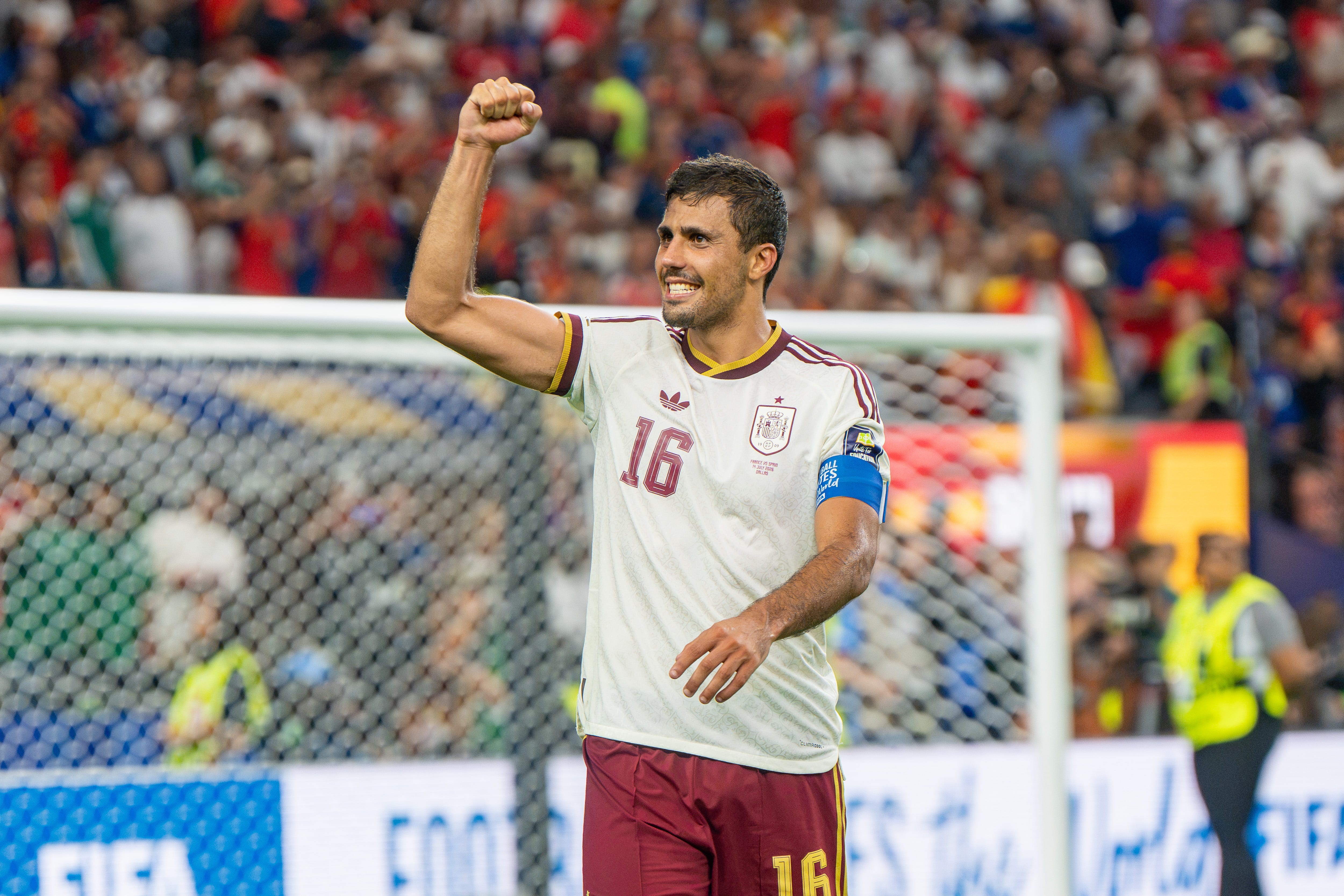
Photo: Bryan Berlin/Wikimedia Commons (CC BY-SA 4.0)
The final’s most important battle will center on a player who rarely makes the highlight reels.
So much of Spain’s control begins with Rodri. He has completed 648 passes during this tournament, already the most by any player at a single World Cup on record.
He dictates the tempo when Spain has possession, but his work after Spain loses it will be even more important. Time and again throughout this tournament, he has prevented dangerous counterattacks before they ever developed, allowing Spain to recover the ball high up the field and start over.
Argentina knows that.
Expect De Paul, Enzo Fernández and Álvarez to pressure Rodri whenever possible. The objective will be forcing Spain away from the calm, patient buildup that has led it here.
Rodri escaping that pressure would allow Spain to string together long spells of possession that gradually drain an opponent’s energy. Disrupting him would force Spain to play more directly and pull the final toward the open, unstable game Argentina has repeatedly created.
Can Argentina keep winning matches they don’t control?
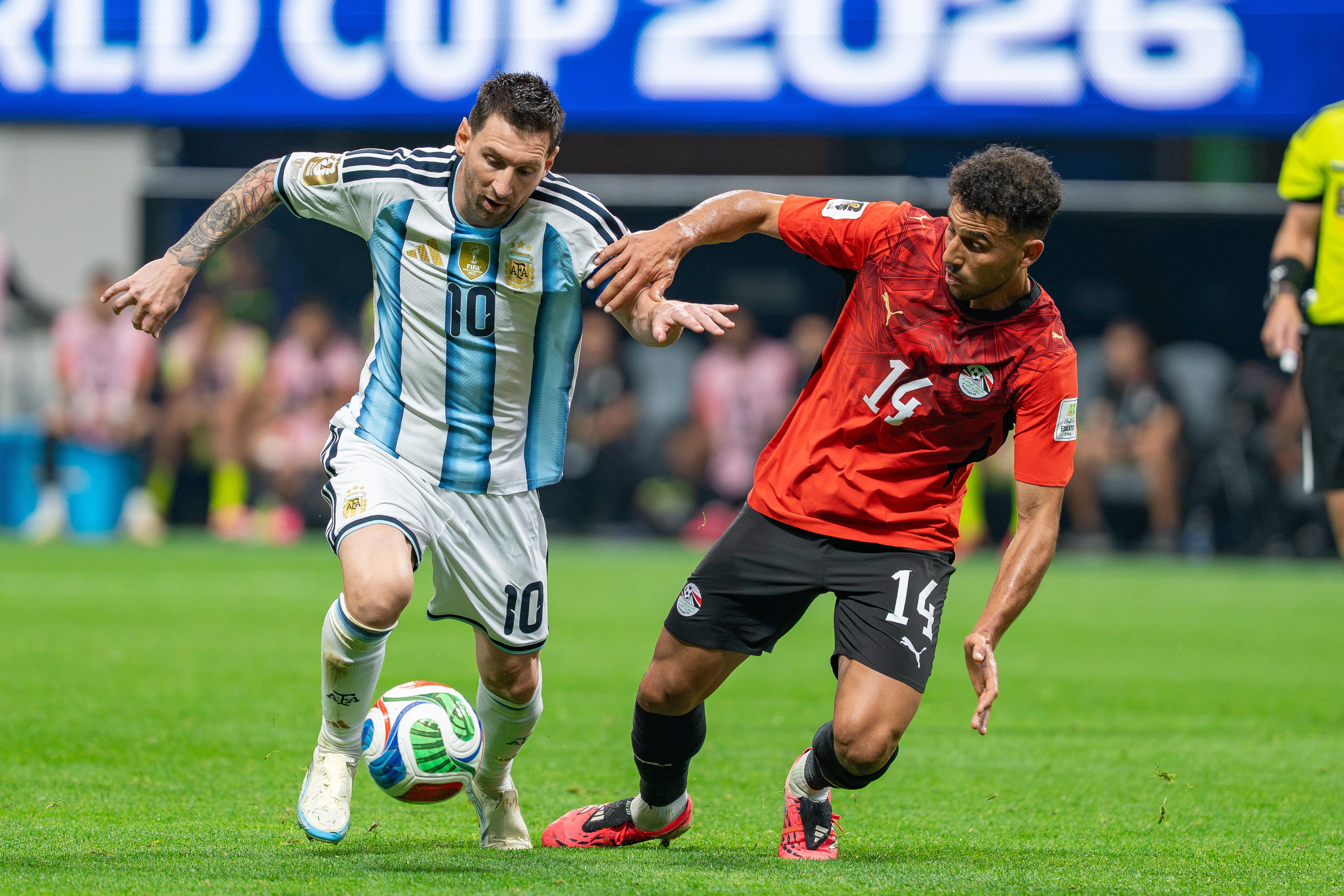
Photo: Bryan Berlin/Wikimedia Commons (CC BY-SA 4.0)
The defending champion has reached another World Cup final while never looking comfortable for a knockout match.
Cape Verde equalized twice and fought Argentina through 120 minutes in the Round of 32. Egypt led by two goals late in the Round of 16 before Argentina produced one of the tournament’s most remarkable comebacks. England led until the closing minutes of the semifinal before two Messi assists created goals for Enzo Fernández and Lautaro Martínez.
Spain’s path has looked almost the opposite. Aside from late winners against Portugal and Belgium, it has controlled matches from start to finish, killing opponents’ chances by dictating the tempo.
Argentina has shown another way to win.
That’s what makes this final so intriguing. If Spain dominates possession for long stretches, that alone won’t guarantee anything. Argentina has spent the past month proving it is comfortable waiting for one decisive moment, even after long periods without the ball.
Not every champion controls every match. Sometimes surviving them is enough.
Who gets to make history?
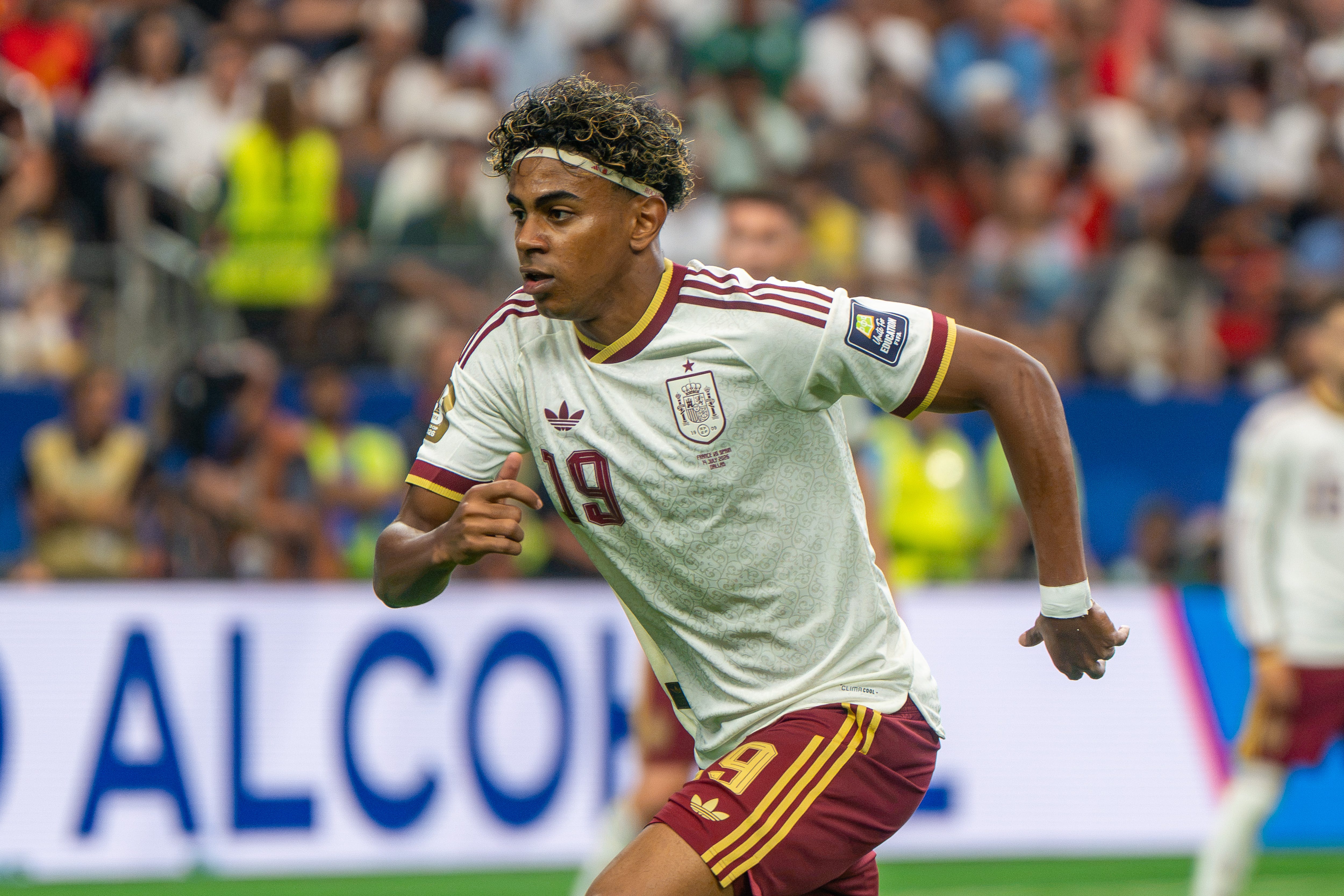
Photo: Bryan Berlin/Wikimedia Commons (CC BY-SA 4.0)
Every World Cup final carries history. This one offers it to both sides.
Argentina is trying to become only the third men’s team to defend a World Cup title and the first to do it since Brazil in 1962. A fourth championship would place the Argentines alongside Germany and Italy, with only Brazil owning more.
For Lionel Messi, another World Cup would add another chapter to a career that has already changed every conversation about greatness.
Spain is chasing something different.
Sixteen years after winning its first World Cup, Spain has the chance to lift a second trophy and add a world championship to the European title it won two years ago. The Spaniards also enter the match unbeaten in 37 consecutive games, tied for the longest unbeaten run in men’s international soccer history. A win in the final would give Spain the record.
Much has been made of Messi sharing the field with Lamine Yamal, given the famous photograph of the two together nearly two decades ago. That storyline deserves the attention it has received.
But this final is bigger than one generation passing the torch to another. It’s about whether Spain’s control or Argentina’s resilience becomes the final story of this World Cup.
After a month of comebacks, tactical battles and matches that refused to follow their scripts, the tournament has reached its final question. Spain has controlled almost everything placed in front of it. Argentina has survived everything it could not.
One of those approaches will be enough to win the World Cup.
