

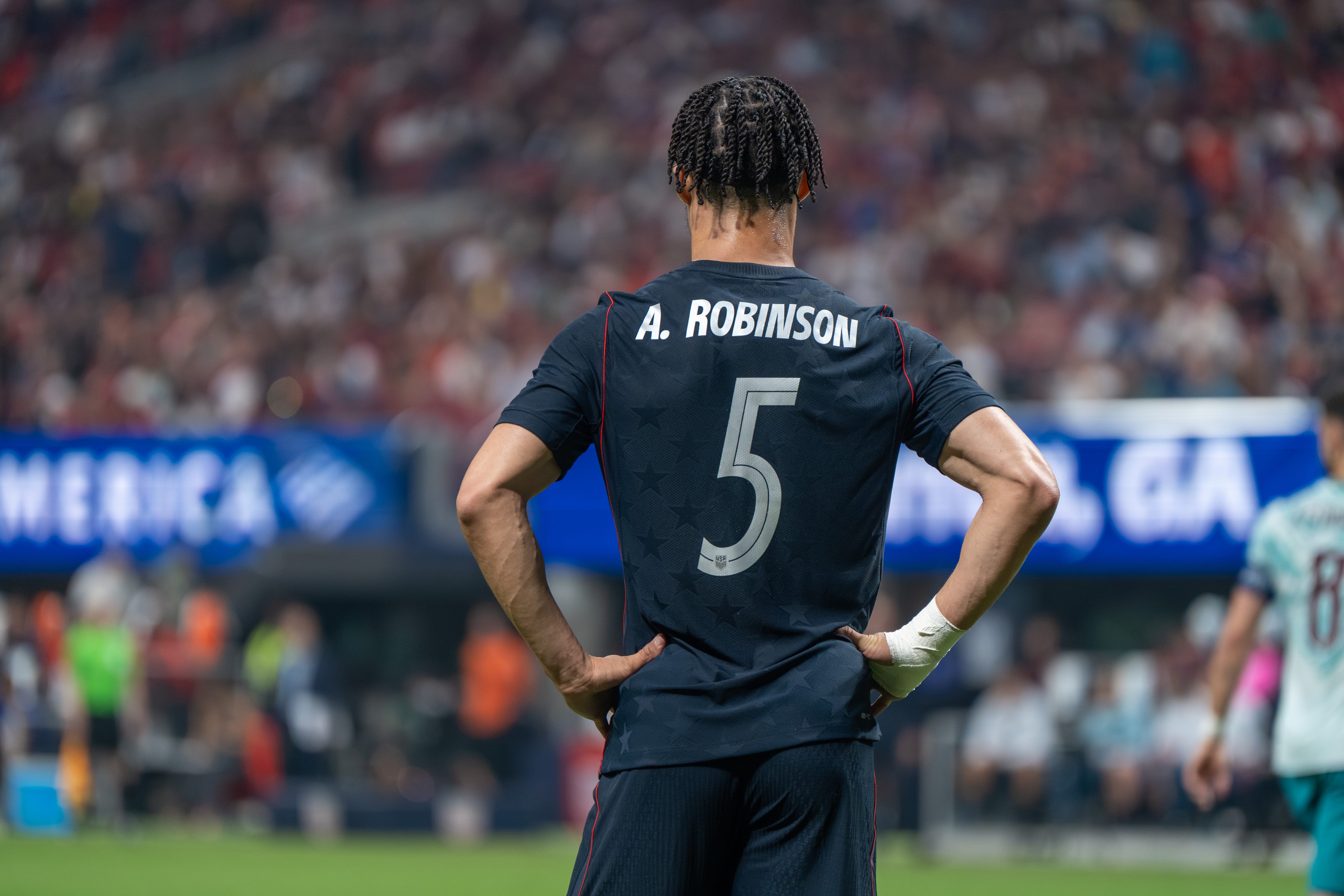
Photo: Bryan Berlin/Wikimedia Commons (CC BY-SA 4.0)
The red card changed the entire conversation
For most of last night, this looked like it would become the Folarin Balogun game.
The striker scored the opening goal just before halftime, converting the chance the United States had been searching for against Bosnia and Herzegovina’s compact defensive shape.
Then, in the 64th minute, everything changed.

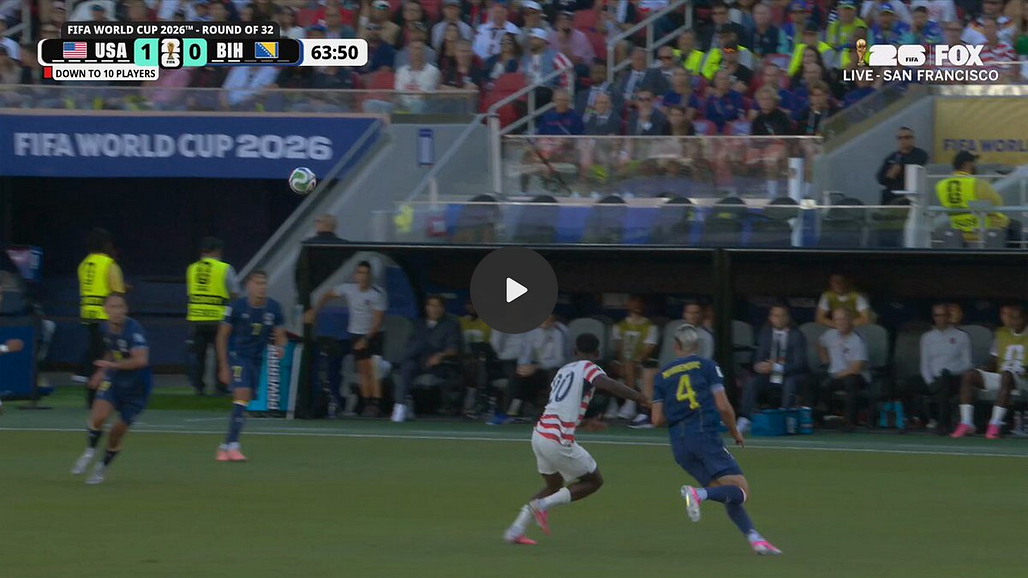
Balogun’s challenge on Tarik Muharemović was upgraded to a straight red card following a VAR review, forcing the United States to play the rest of the match with 10 men.
The decision became one of the biggest talking points of the match. Some believed it was the correct interpretation of the laws of the game. Others felt the replay made the challenge appear worse than it looked in real time.
The consequences are clear: Balogun will miss the Round of 16 matchup against Belgium, leaving the U.S. without its leading scorer at the exact moment they would most like to have him available.
The United States showed something it has not always shown in big tournaments
They never panicked. That may have been the most impressive part of the night.
Previous American teams might have dropped deeper and deeper after losing a player in a knockout match. Instead, the U.S. remained organized, disciplined and surprisingly comfortable.
Bosnia pushed numbers forward and searched for opportunities through crosses and set pieces, but clear chances were difficult to find. The U.S. held Bosnia to just 0.25 expected goals and only seven touches inside the penalty area despite playing the final half hour with 10 men.
There were no frantic clearances or loss of structure. No sense that the game was slipping away. If anything, the United States looked more comfortable playing with 10 men than Bosnia looked trying to break them down with 11.
This program has spent years hearing questions about how it responds to adversity in these moments. This felt significant.
Mauricio Pochettino entered the record books
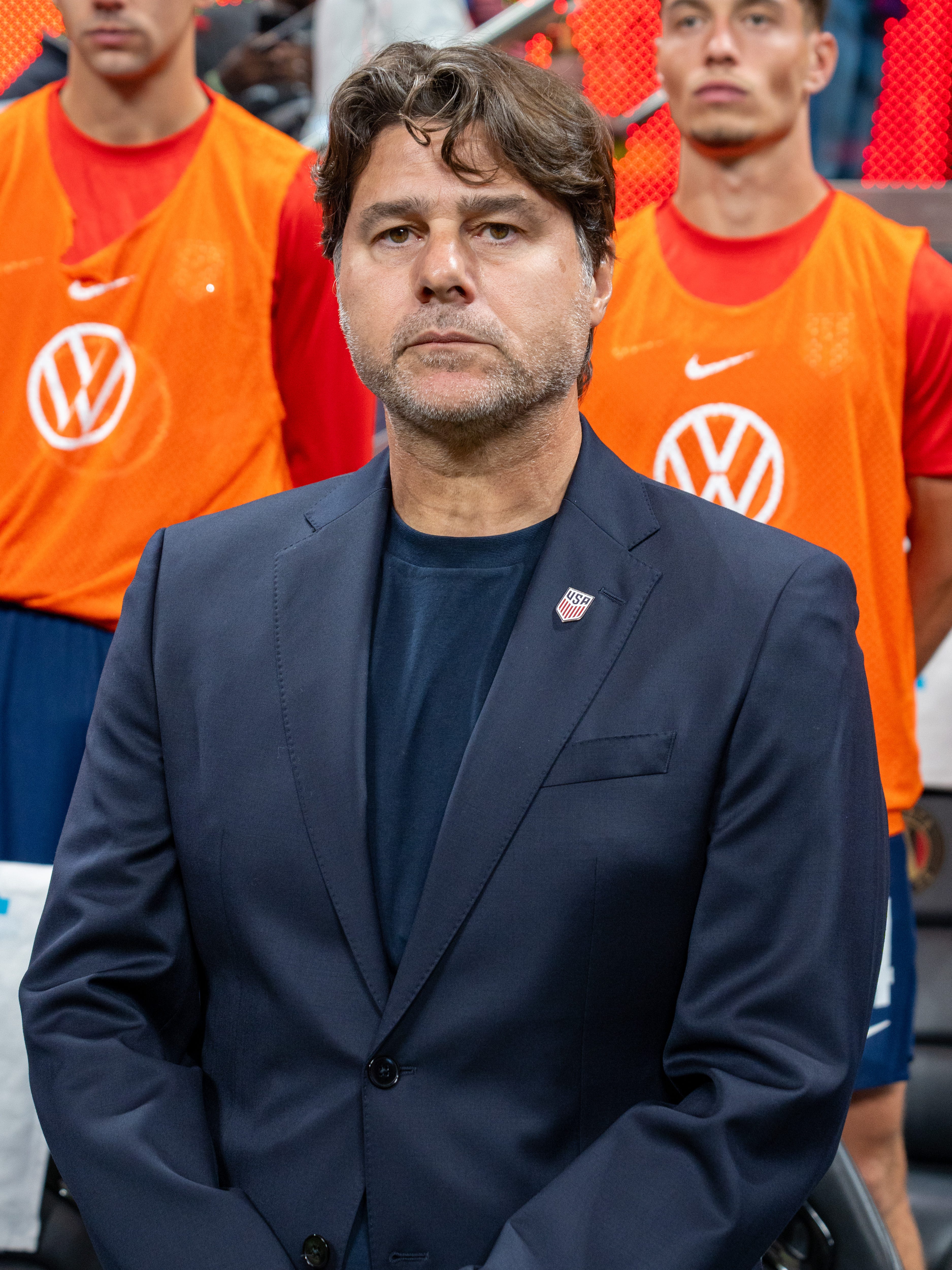
Photo by Bryan Berlin/Wikimedia Commons (CC BY-SA 4.0).
Pochettino became the first U.S. men’s national team coach to win three World Cup matches, moving ahead of Bruce Arena’s two victories in 2002.
More importantly, he delivered something American soccer had not experienced in nearly a quarter century. The United States had not won a World Cup knockout match since defeating Mexico in the Round of 16 in 2002. That streak is over.
Maybe this is years of watching U.S. teams enter knockout matches hoping to survive rather than expecting to advance, but there was something different about this one. The Americans were the better team from the opening whistle and looked like a side that believed it belonged here.
The Bosnia match guaranteed that this tournament already has a place in U.S. soccer history. The Belgium match will determine how far this run goes.
Malik Tillman and Antonee Robinson continue to drive this team forward
Tillman finished the story. And he did it in style:
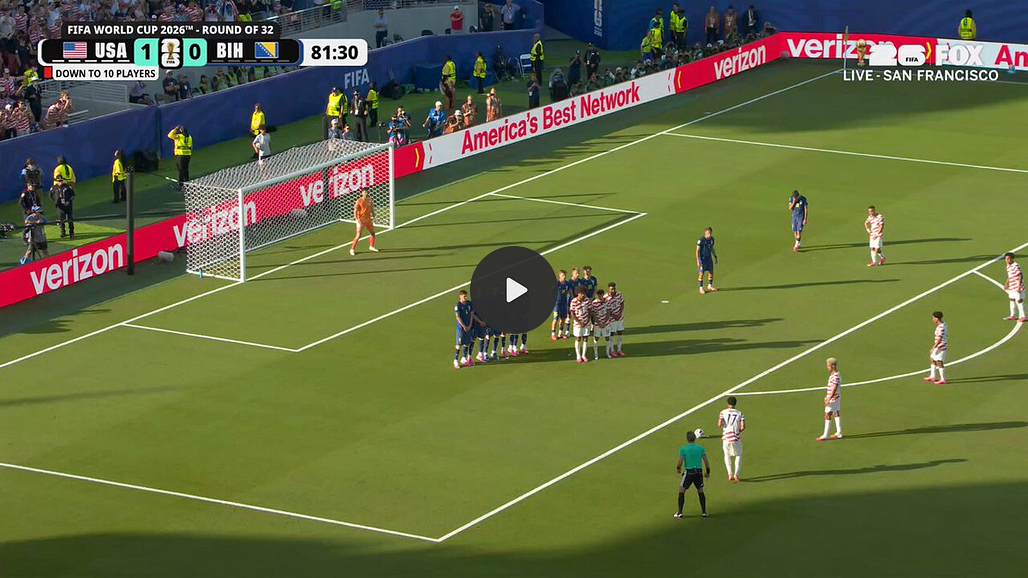
His free kick in the 82nd minute was one of the best American goals of the tournament and immediately killed whatever hope Bosnia had left of a comeback.
Every World Cup produces a player who starts as a promising talent and becomes an established star in front of the world’s eyes. Tillman is making a strong case to be that player for this American team.
At the same time, Antonee Robinson continues to look like one of the best left backs in the world. Bosnia struggled to deal with his runs forward all evening, and defensively he helped limit one of the tournament’s better set-piece teams to very few opportunities.
If Tillman has become the breakout star of the tournament, Robinson has become one of its most consistent performers. The encouraging part for the United States is that new stars keep emerging alongside the established ones.
Everything changes against Belgium
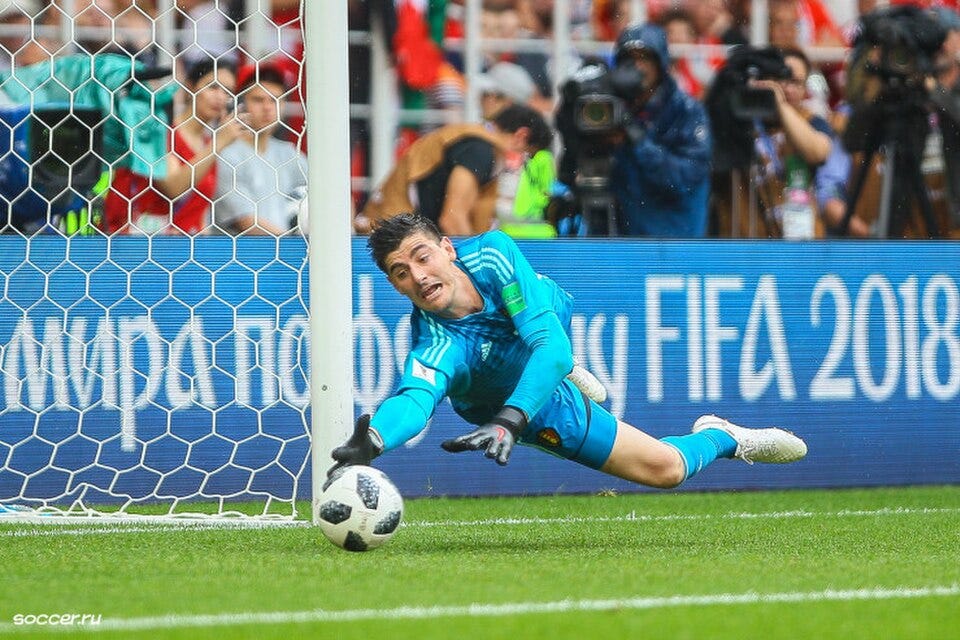
Антон Зайцев / Wikimedia Commons / CC BY-SA 3.0
The question surrounding this generation of American players was whether it could handle the pressure of meaningful World Cup matches. That question has been answered. Now comes a different one.
Can the United States beat one of the world’s elite teams without its leading scorer?
Belgium will enter the match as the favorite. That may actually suit the U.S. For the first time in this tournament, the pressure shifts to the other side.
The United States will fight in Seattle missing Balogun but bringing something it did not have a week ago: evidence that this group can handle knockout pressure, adversity and expectations all at once.
The Santa Clara crowd celebrated a moment American soccer had been waiting 24 years to experience again.
Maybe the team we’ve spent years waiting for has finally arrived.


